
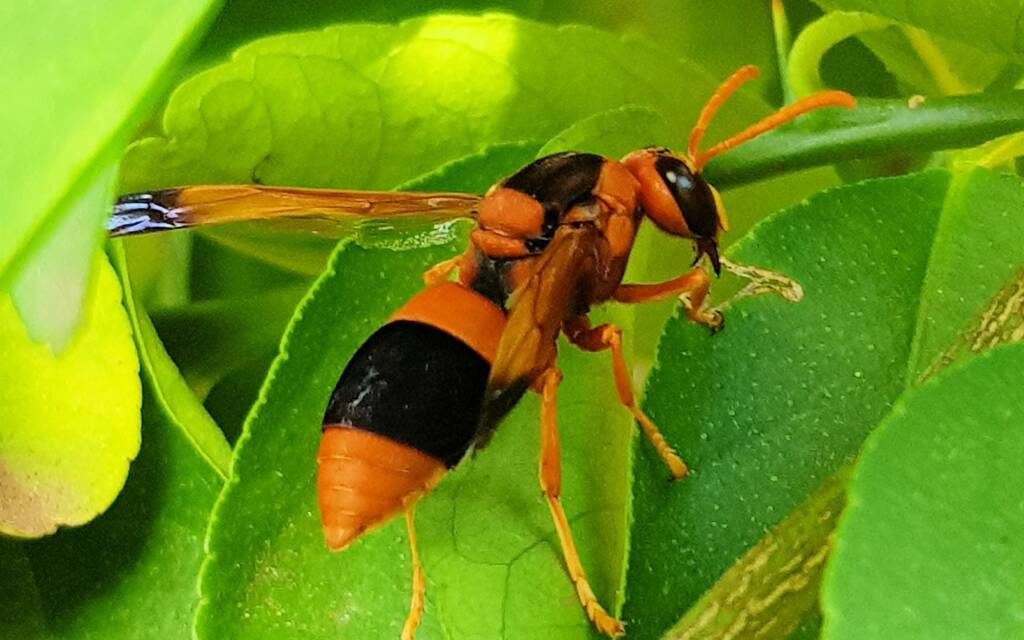
If you’ve ever spotted a black and orange wasp in Australia, you’ve probably asked yourself: is it dangerous, or just a misunderstood garden guest? These brightly coloured wasps are hard to miss, and their presence often sparks worry — especially when they’re building nests near homes, gardens, or kids’ play areas.
With growing concerns about stings, infestations, and garden safety, many Melbourne residents are turning to professional wasp removal in Melbourne services to assess and manage the threat. But is every black and orange wasp a foe? Or could they actually be helping more than harming?
Let’s uncover the surprising truth about these striking insects.
Understanding the Black & Orange Wasp in Australia
The black and orange wasp found across Australia is not a single species, but a common description of several different wasp types. These include:
- Spider Wasps (Pompilidae): Solitary wasps that hunt spiders.
- Paper Wasps (Polistes): Social wasps that build papery nests.
- Ichneumon Wasps: Non-aggressive and important for ecological balance.
What sets these wasps apart is their dual-colour body — a warning signal in nature to keep predators at bay. But for humans, the reaction is often fear-based, especially if they start appearing near your home or workspace.
While some wasps may be relatively harmless, others — particularly paper wasps — can be territorial and sting multiple times when threatened. This is where understanding their behaviour becomes critical.
When Wasps Become a Problem at Home
A single wasp buzzing around your backyard might not cause much concern. But when they begin to nest in walls, eaves, or garden sheds, they can quickly turn from passive pollinators to active pests.
The problem escalates when wasp colonies grow. Unlike bees, wasps don’t die after stinging, which makes them more aggressive in defending their nest. For households with children, elderly family members, or those with allergies, this is a risk not worth taking.
Here are some signs you might have a wasp problem:
- Increased wasp activity near one location
- Visible nests under rooflines or tree branches
- Wasps entering wall cavities or vents
- Pets getting stung or agitated
This is the stage where wasp pest control in Melbourne becomes essential.
The Ecological Role of Wasps: Not All Bad
While many people think of wasps only as pests, they actually play a vital role in ecosystems:
- Pollination: Many solitary wasps contribute to plant pollination.
- Pest Control: Wasps hunt and eat insects like caterpillars, spiders, and flies.
- Decomposition: Some wasps help break down organic material.
So, in controlled numbers and away from human living spaces, wasps can be beneficial. That’s why removal should be strategic, not simply reactive. Blanket pesticide use can destroy helpful wasp species and disrupt ecological balance.
Why DIY Wasp Removal Is Not a Good Idea
It’s tempting to grab a can of spray or knock down a wasp nest yourself — especially if it’s small. However, this can go wrong quickly. Wasps release a chemical alarm pheromone when attacked, causing the entire colony to become aggressive.
DIY methods risk:
- Multiple painful stings
- Incomplete nest removal (wasps rebuild quickly)
- Damage to your home structure
- Aggravating nests in hard-to-reach spots
Instead, professional wasp removal teams are trained to identify the species, locate hidden nests, and use targeted, eco-friendly solutions to safely remove the threat.
Melbourne’s High-Risk Suburbs for Wasp Activity
Due to its climate and leafy suburbs, Melbourne has become a hotspot for wasp nesting, especially in late spring and summer.
Areas with higher wasp activity include:
- Prahran
- Elwood
- Richmond
- Hampton Park
- Waverley
- Broadmeadows
- Hawthorn
- Malvern East
- Camberwell
If you live in any of these suburbs or have bushland, parks, or large gardens nearby, keeping a seasonal eye on wasp activity is crucial.
Safe and Strategic Wasp Management
Effective wasp management isn’t just about removal — it’s about prevention and control.
Professionals start with an inspection, identifying not just the active nests but also entry points, food sources, and potential nest sites. Next, they use:
- Targeted, low-toxicity sprays
- Physical removal techniques
- Sealing of entry points
- Ongoing monitoring if nests have been removed recently
An added benefit of working with experts is that they’ll educate you on how to deter future nesting, such as trimming vegetation, sealing eaves, and removing food attractants like compost bins and pet food.
This full-spectrum approach ensures long-term relief — not just a temporary fix.
When Should You Call the Experts?
Early signs of a wasp presence — especially near high-traffic areas — warrant immediate inspection. However, there are specific cases where professional help is non-negotiable:
- Allergic individuals in the home
- Children or pets getting stung
- Large or hidden nests
- Wasp activity near vents, ceilings, or insulation
Professionals use specialised gear and proven strategies to make sure the nest is removed without triggering aggression — and with minimal disruption to your household.
Your Safety Comes First – Call the Experts Today
While the black and orange wasp in Australia may seem like just another backyard insect, the risks they pose when nesting near your home are very real. From painful stings to hidden infestations, knowing when to take action is key.
Whether it’s springtime nesting, summer swarms, or unexpected sightings in colder months, expert intervention ensures the problem doesn’t spiral out of control.
If you’re seeing signs of increased wasp activity, don’t take chances. For fast, humane, and expert-level wasp removal in Melbourne, get in touch with the experienced team at Enviro Safe Pest Control.
Call 1300 997 272 to schedule your inspection and safeguard your home the smart way.